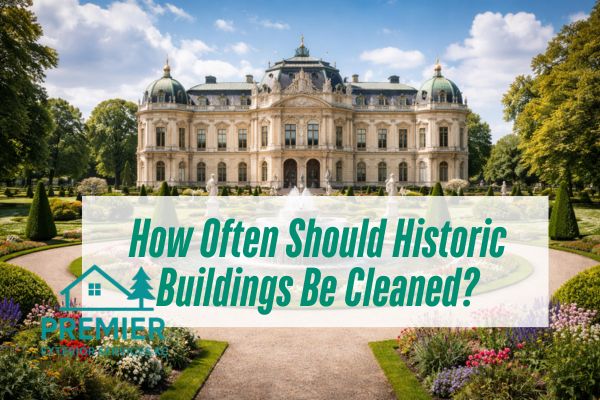
How Often Should Historic Buildings Be Cleaned?
Introduction
Historic buildings carry character, craftsmanship, and history that modern structures often lack. However, maintaining their appearance and structural integrity requires a thoughtful approach. Cleaning is not just about aesthetics. It plays a critical role in preserving materials and preventing long-term damage.
If you are wondering how often historic buildings should be cleaned in Kansas City, the answer depends on several key factors such as climate, materials, and location. This guide explains everything you need to know while highlighting safe and effective solutions offered by Premier Exterior Services.
Why Cleaning Historic Buildings Matters
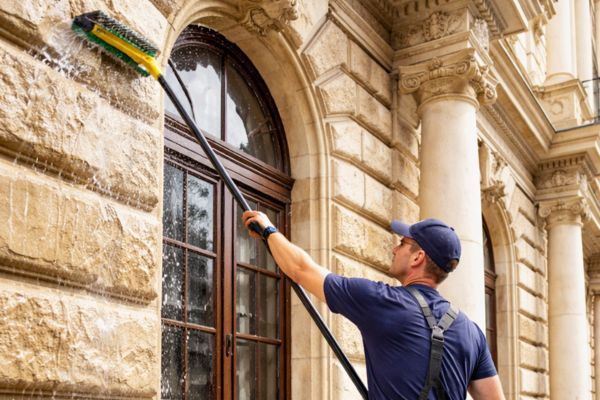
Over time, dirt, pollution, algae, and moisture begin to accumulate on exterior surfaces. If left untreated, these elements can lead to serious issues such as:
- Surface erosion
- Permanent staining
- Moisture retention
- Structural weakening
Routine cleaning helps prevent these problems while preserving the building’s historical value. The National Park Service emphasizes proper maintenance as a key part of historic preservation.
You can explore their guidelines here
Additionally, the General Services Administration provides cleaning recommendations for historic masonry surfaces.
How Often Should Historic Buildings Be Cleaned?
There is no universal schedule, but general recommendations include:
Typical Cleaning Frequency
- Every 3 to 5 years for most historic buildings
- Every 1 to 2 years in high-traffic or polluted areas
- As needed when visible staining, algae, or buildup appears
In Kansas City, seasonal humidity and environmental exposure can accelerate buildup. Property owners should schedule regular inspections to determine the right timing.
For professional guidance, learn more about here.
Factors That Affect Cleaning Frequency
Environmental Conditions
Kansas City experiences a mix of humidity, rain, and temperature changes. These conditions encourage mold and algae growth, especially on shaded surfaces.
The Environmental Protection Agency explains how moisture contributes to mold growth.
Building Materials
Different materials require different care methods:
- Brick can absorb pollutants and develop staining
- Stone can be sensitive to aggressive cleaning
- Wood is vulnerable to moisture damage
Understanding the material is essential before choosing a cleaning method. Premier Exterior Services offers tailored solutions for each surface.
Property Location
Buildings located near busy streets or industrial zones accumulate dirt faster than those in quieter areas. Increased exposure means more frequent cleaning may be necessary.
Maintenance History
Buildings that have not been cleaned regularly may require an initial restoration process followed by a consistent maintenance schedule.
Safe Cleaning Methods for Historic Buildings
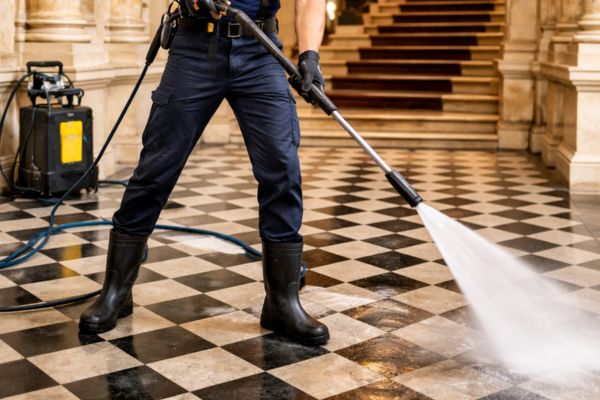
Choosing the correct cleaning method is critical to avoid damage.
Soft Washing
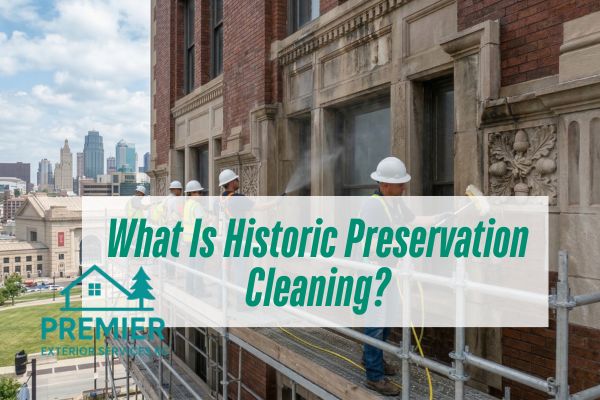
Soft washing uses low-pressure water combined with eco-friendly cleaning solutions. This method safely removes dirt, algae, and organic buildup without damaging delicate surfaces.
Learn more about soft washing techniques from the SoftWash Systems resource.
Pressure Washing
Pressure washing can be effective for certain surfaces, but it must be used carefully. Excessive pressure can damage mortar, brick, and stone.
For safe and professional cleaning, explore.
Premier Exterior Services Pressure washing here
Common Mistakes to Avoid
Improper cleaning methods can cause long-term damage. Common mistakes include:
- Using high-pressure washing on fragile materials
- Cleaning too frequently and causing erosion
- Applying harsh chemicals
- Ignoring early signs of mold or staining
Working with experienced professionals reduces these risks and ensures proper care.
Benefits of Professional Exterior Cleaning Services in Kansas City
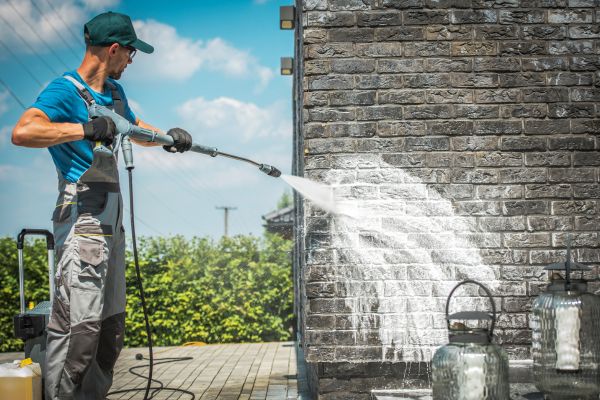
Hiring experts provides several advantages:
- Knowledge of historic preservation standards
- Use of safe and approved cleaning solutions
- Access to specialized equipment
- Customized cleaning plans based on building type
Premier Exterior Services specializes in historic building cleaning in Kansas City. Their team understands how to balance effective cleaning with preservation.
Tips for Maintaining Historic Buildings Between Cleanings
Proper maintenance can extend the time between professional cleanings. Consider the following:
- Inspect the building exterior at least twice a year
- Keep gutters and downspouts clear
- Trim vegetation near walls to reduce moisture
- Address stains or organic growth early
The National Trust for Historic Preservation offers additional maintenance resources.
Learn more about here
FAQs
How do I know when my historic building needs cleaning?
Look for visible discoloration, algae growth, or staining. A dull or uneven appearance is often a clear sign.
Is pressure washing safe for historic buildings?
It can be, but only when used carefully. Soft washing is generally the safer option for older materials.
Can cleaning damage historic materials?
Yes, improper cleaning can lead to erosion or structural issues. Professional services are recommended.
What is the best time of year to clean in Kansas City?
Spring and fall are ideal due to moderate temperatures and balanced humidity levels.
Final Thoughts
Maintaining historic buildings requires a careful balance between cleanliness and preservation. Cleaning too often can cause damage, while neglect can lead to deterioration. A well-planned schedule combined with professional expertise ensures long-term protection and visual appeal.
Request a Free Quote from Premier Exterior Services
If you own or manage a historic building in Kansas City, professional care is essential.
Contact Premier Exterior Services today to schedule an assessment and receive a free quote. Their experienced team provides safe, effective, and preservation-focused cleaning solutions tailored to historic properties.
Protect your investment and preserve your building’s legacy with trusted local experts.